
How the solution works
The system receives approved context, prepares an answer or action and sends the result to an employee or a connected operating system.
AI automation is useful when employees repeatedly search for information, process documents or prepare similar responses. We connect an assistant or agent to approved data and operating systems, while consequential actions remain under human control.
Tell us about the taskWe design AI assistants and agents that retrieve knowledge, process documents, prepare responses and trigger controlled actions across your systems.
The system receives approved context, prepares an answer or action and sends the result to an employee or a connected operating system.
We need real request examples, knowledge sources, access rules and quality criteria for the selected scenario.
Quality depends on the data and model. Legal, financial and other consequential decisions require review by a responsible employee.
We first check where automation will make the work easier and where changing the process is enough.
Teams lose time searching for information and drafting repetitive answers.
Documents, calls and requests are processed manually.
Critical knowledge depends on individual employees.
AI was tested, but it never became part of the operating process.
Interfaces, data, roles and integrations are designed together as one operating system.
Select a stage to see what happens inside the project and what the team receives.
Choose one workflow where AI can create a clear effect.
The detailed roles, exceptions, security rules and control points are confirmed during discovery.
Exact measures are selected for the process before development begins.
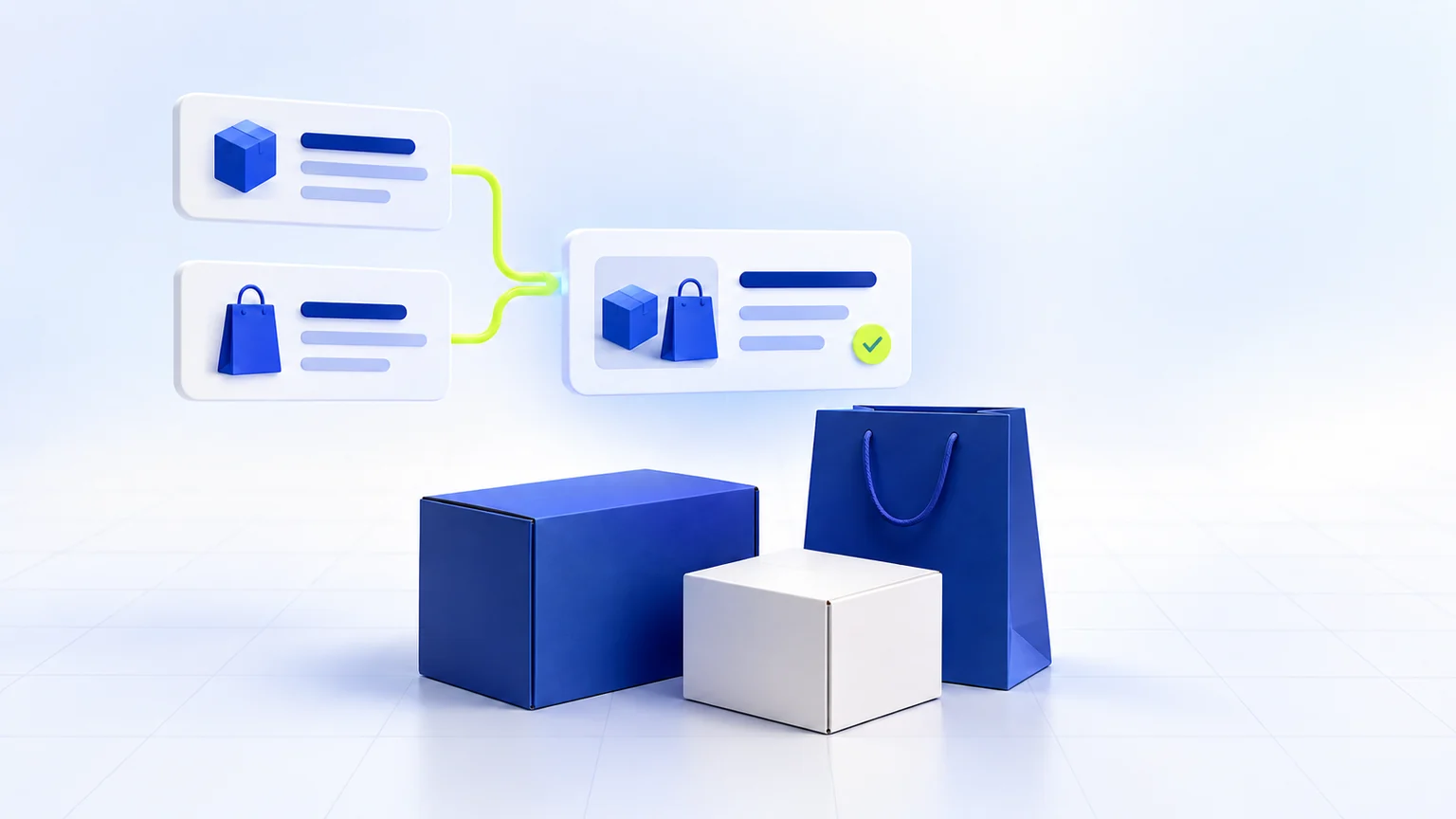
An AI assistant collects packaging requirements in Telegram and MAX, creates Bitrix24 deals and hands conversations to managers through a working Telegram group.
View case study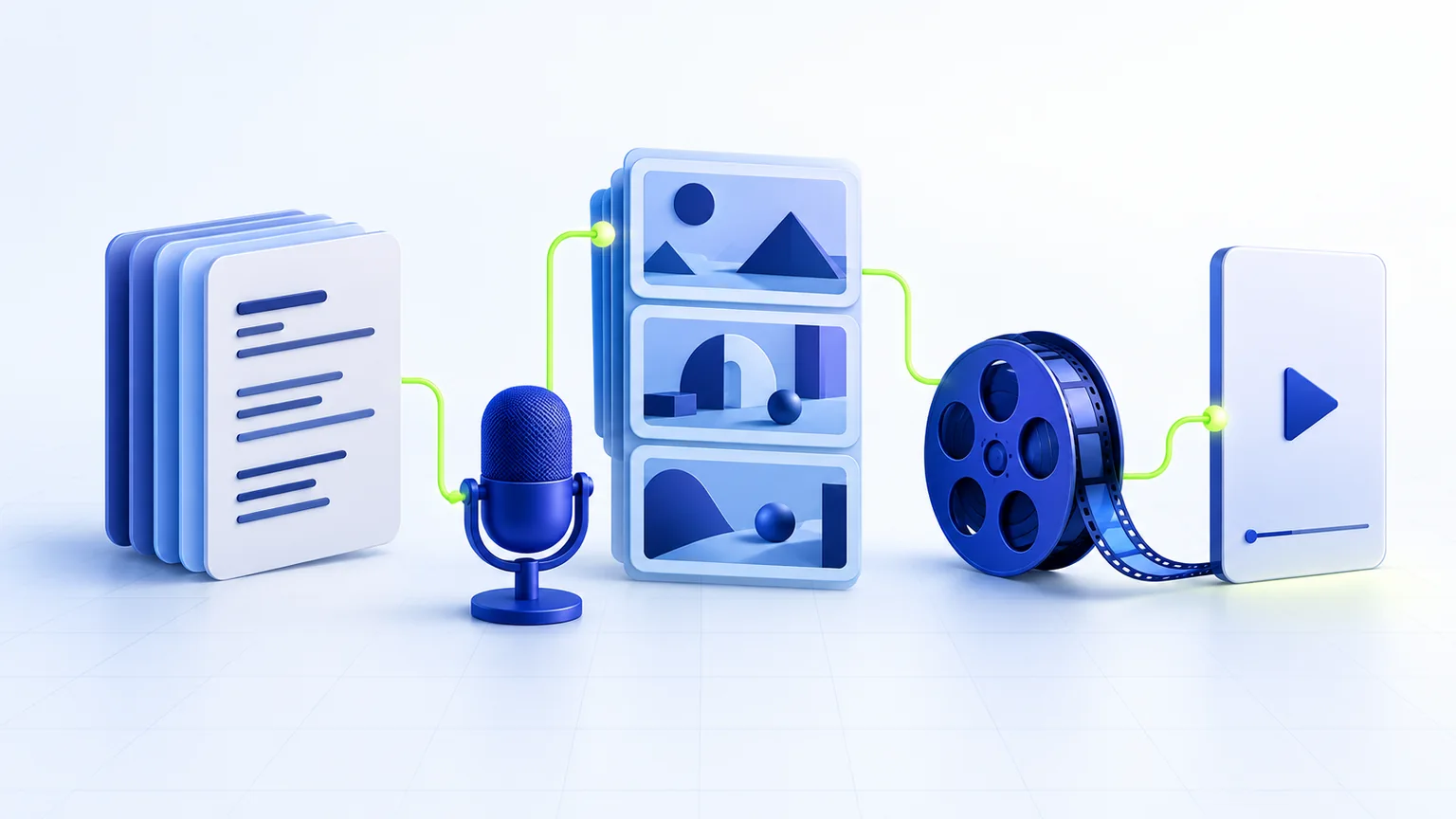
Ideas, scripts, AI narration and vertical video assembly in one workflow, managed through a Telegram bot and connected social media platforms.
View case studyYes. We normally validate one measurable AI scenario first and expand only after the result is clear.
The architecture is selected around your data requirements, access controls and hosting constraints.
No. We select the provider and model around language, quality, availability and deployment needs.
AI is useful for unstructured text, documents and requests phrased in different ways. Deterministic rules are safer when the workflow is predictable and every condition can be listed in advance. A solution can combine both approaches.
An assistant prepares an answer, summary or recommendation for an employee. An agent can perform agreed actions in connected systems. Its permissions, confirmation points and quality criteria must be defined in advance.
No. RAG retrieves relevant fragments from approved sources and supplies them with the request. It does not retrain the model; quality depends on the documents, search, access controls and answer review.
Beyond development, include hosting, model usage, external services, storage, monitoring and maintenance. The estimate depends on workload, request length, retries and human review. We first define the scenario and expected usage; there is no universal price without those inputs.
Use current sources, document owners, a permission matrix and test questions with expected answers. Check citations, refusal when information is missing and protection of restricted documents. A pilot establishes only the tested scenario. A customer-facing assistant does not by itself demonstrate a corporate RAG implementation.
An assistant clarifies request details and hands context to a manager. The published packaging case connects Telegram, MAX and Bitrix24. It demonstrates a specific qualification workflow, not an autonomous sales department. Prices, terms and exceptions remain subject to review by a responsible employee.
We will discuss the goal, constraints and a practical next step without unnecessary technical complexity.